Client
House of Uruchi
Industry
Fashion
D2C Fashion
Apparel
Scope
Brand Strategy
Consulting
Creative Direction
Branding
Team
Tripura Inamdar
Saee Joshi
Ira Kulkarni
The Brief
Saee had spent years studying premium natural fabrics, understanding how they're sourced, how they behave, how they age. When she approached dockyard, the vision already existed: create a fabric-first brand rooted in exceptional material quality, intentional craftsmanship, and a quieter approach to luxury.
What did not exist yet was the brand itself: its positioning, market direction, launch strategy, identity system, collection philosophy, and long-term roadmap.
dockyard partnered with the founder to help shape the brand from first principles: from research and strategy to collection design, textile storytelling, branding, packaging, and go-to-market direction.
The Challenge
The challenge extended far beyond designing a visual identity.
Before any creative development began, the business itself needed clarity:
Which category should the brand enter first?
What market gap could it realistically own?
Who would value premium European flax linen in India?
How should the brand differentiate itself in an increasingly saturated fashion landscape?
What would make the brand culturally relevant without becoming trend-driven?
Research and Discovery
Phase 01: Opportunity Mapping & Viability Assessment
Before any brand work began, we evaluated whether this was the right market, positioning, and timing to build the brand.
We audited Indian and global competitors to understand where existing brands lacked depth and what opportunities they were missing. This included analysing pricing bands, channel strategies, storytelling maturity, and the gap between how brands present “premium” and how consumers actually perceive it.
We also created a detailed launch investment framework covering operational requirements, launch costs, and key decision points.
Phase 02: Market & Consumer Research (Primary + Secondary)
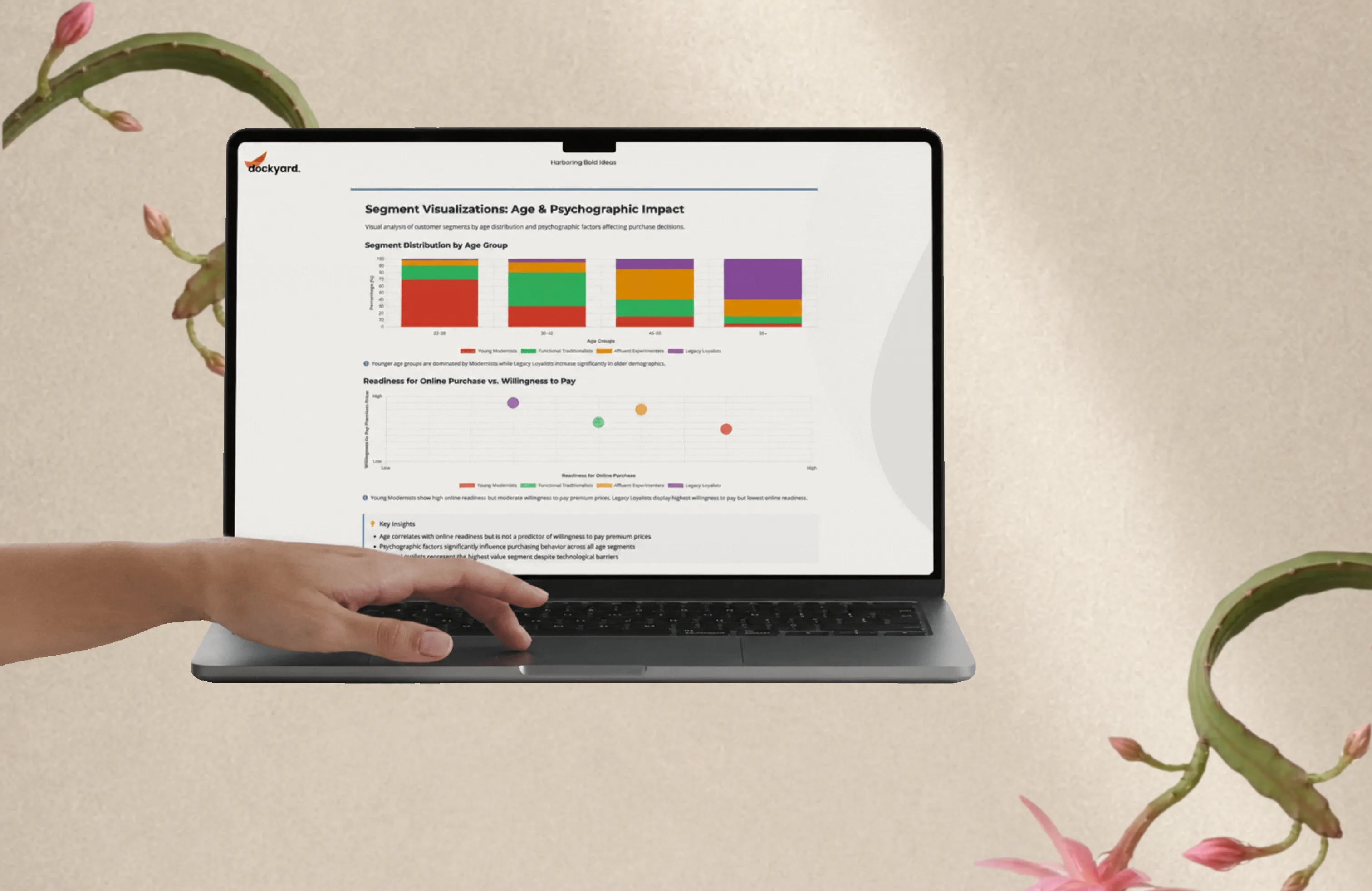
We analysed 200+ brands across D2C fabrics, premium sarees, artisanal fashion, lifestyle products, and global craft-led brands to understand the market structurally.
To make the research actionable, we built competitive frameworks including:
Pricing matrices
Channel mix maps
Platform maturity funnels
Scarcity model analysis
Psychographic segmentation grids
Alongside this, we conducted 50 in-depth interviews across customer groups including aspirational professionals, collectors, gifting buyers, and cultural loyalists.
The research focused on:
Premium purchase triggers
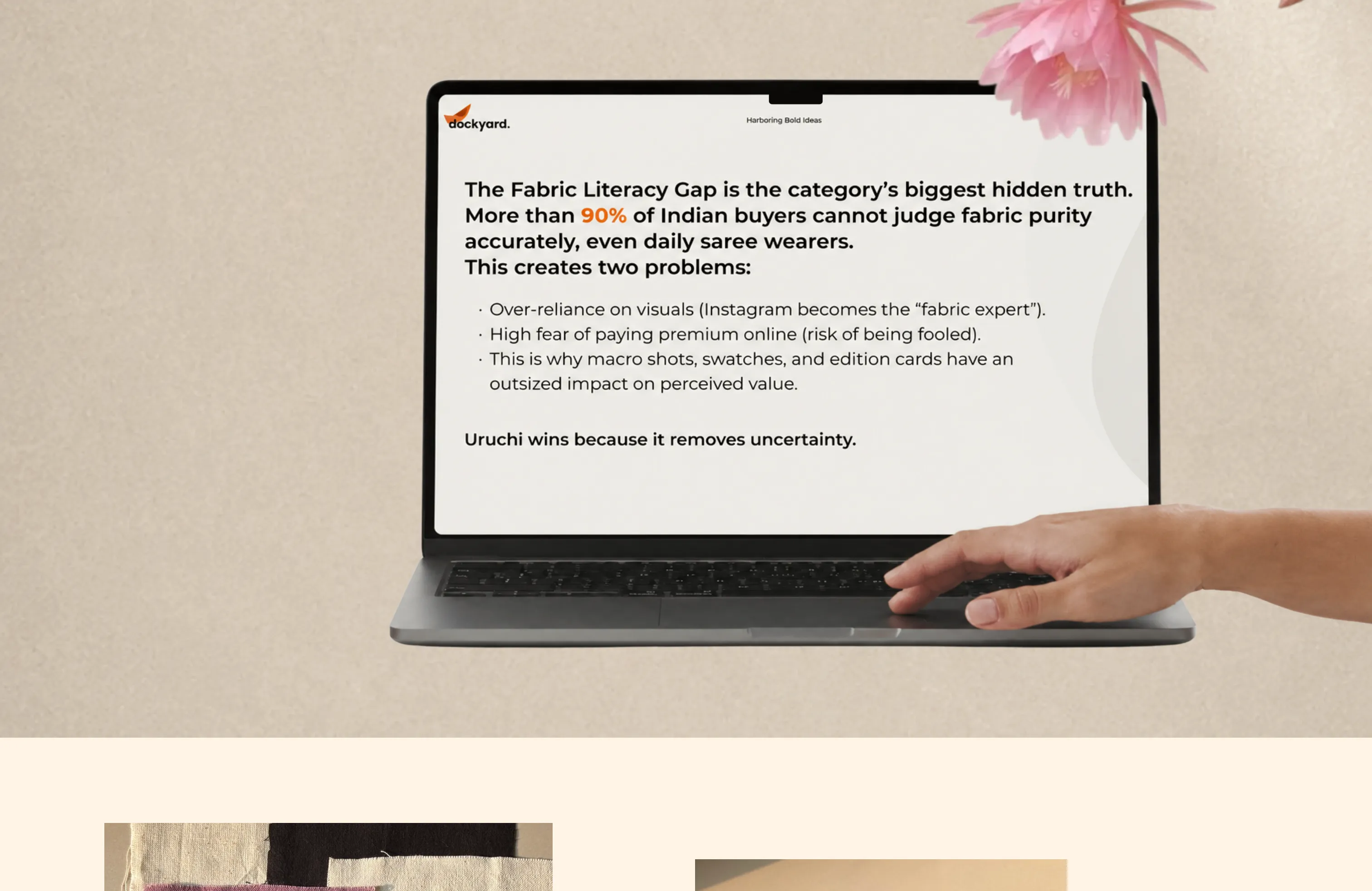
Consumer trust and hesitation
Loyalty-building factors
Repeat purchase behaviour
D2C buying psychology
These insights directly shaped the brand’s positioning, storytelling, product direction, and launch strategy.
Phase 03: Strategic Framework
We developed systems around:
Consumer education as retention
Honest scarcity models
Purchase-cycle-driven content
Long-term positioning before launch
Brand equity through consistency and restraint
Using brand architecture frameworks, we defined:
What the brand stands for
What category space it owns
What it intentionally avoids
How it differentiates itself
The final strategy system included:
Brand DNA & positioning
Voice & communication
Consumer psychology by segment
Storytelling frameworks
Visual direction
Category roadmap
This created a long-term strategic foundation for future business and creative decisions.
Phase 04: Building the Product
One of the key strategic decisions was designing the brand for long-term expansion rather than a single launch.
From the beginning, the brand was envisioned as a larger material-led lifestyle house capable of expanding into sarees, dresses, blazers, ceramics, bags, and artist collaborations.
This shaped:
The naming system
Brand positioning
Identity direction
Category architecture
Drop strategy
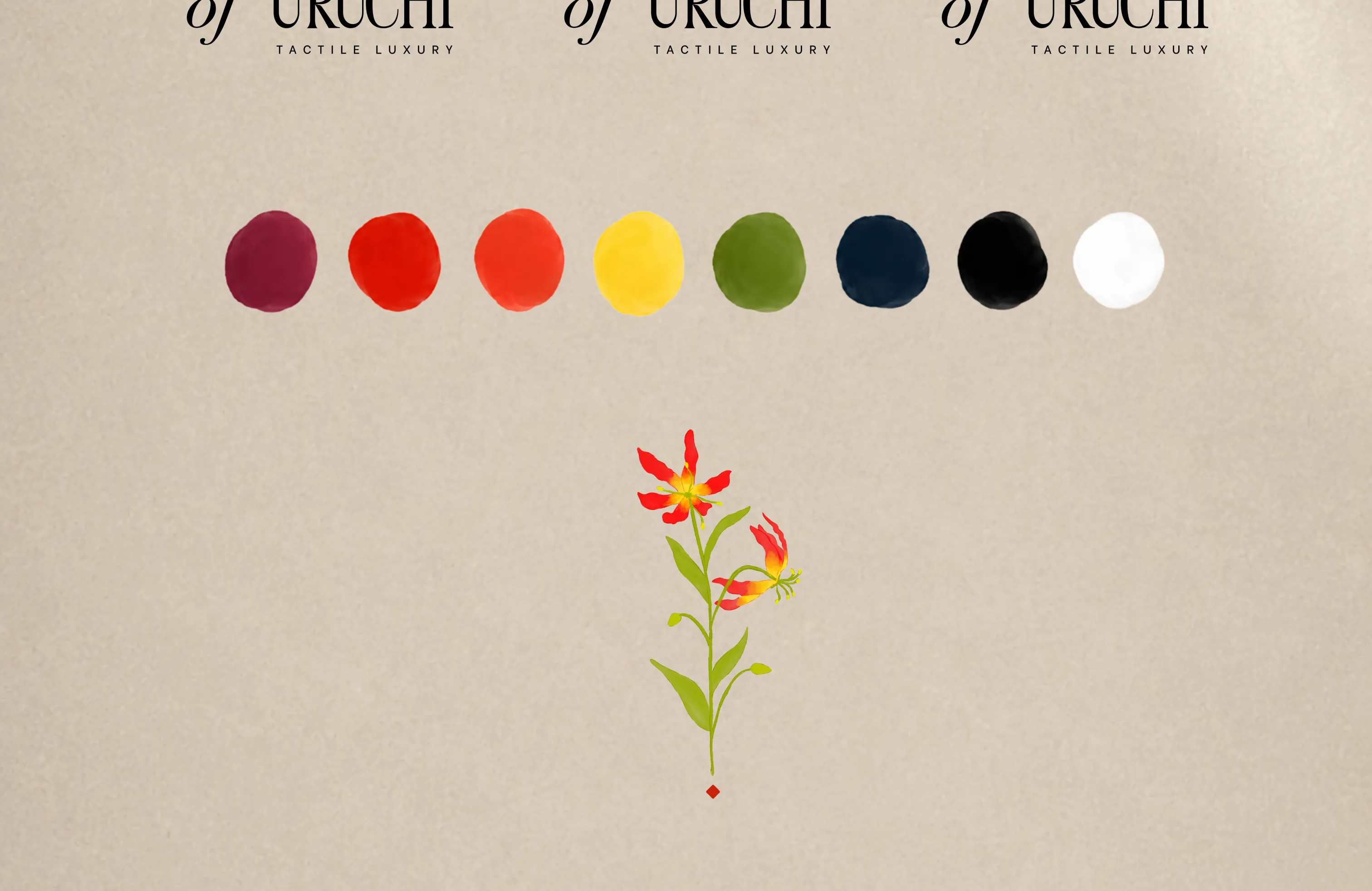
Visual language
The goal was to build a brand that could evolve across categories without losing its core identity.

Naming the Brand
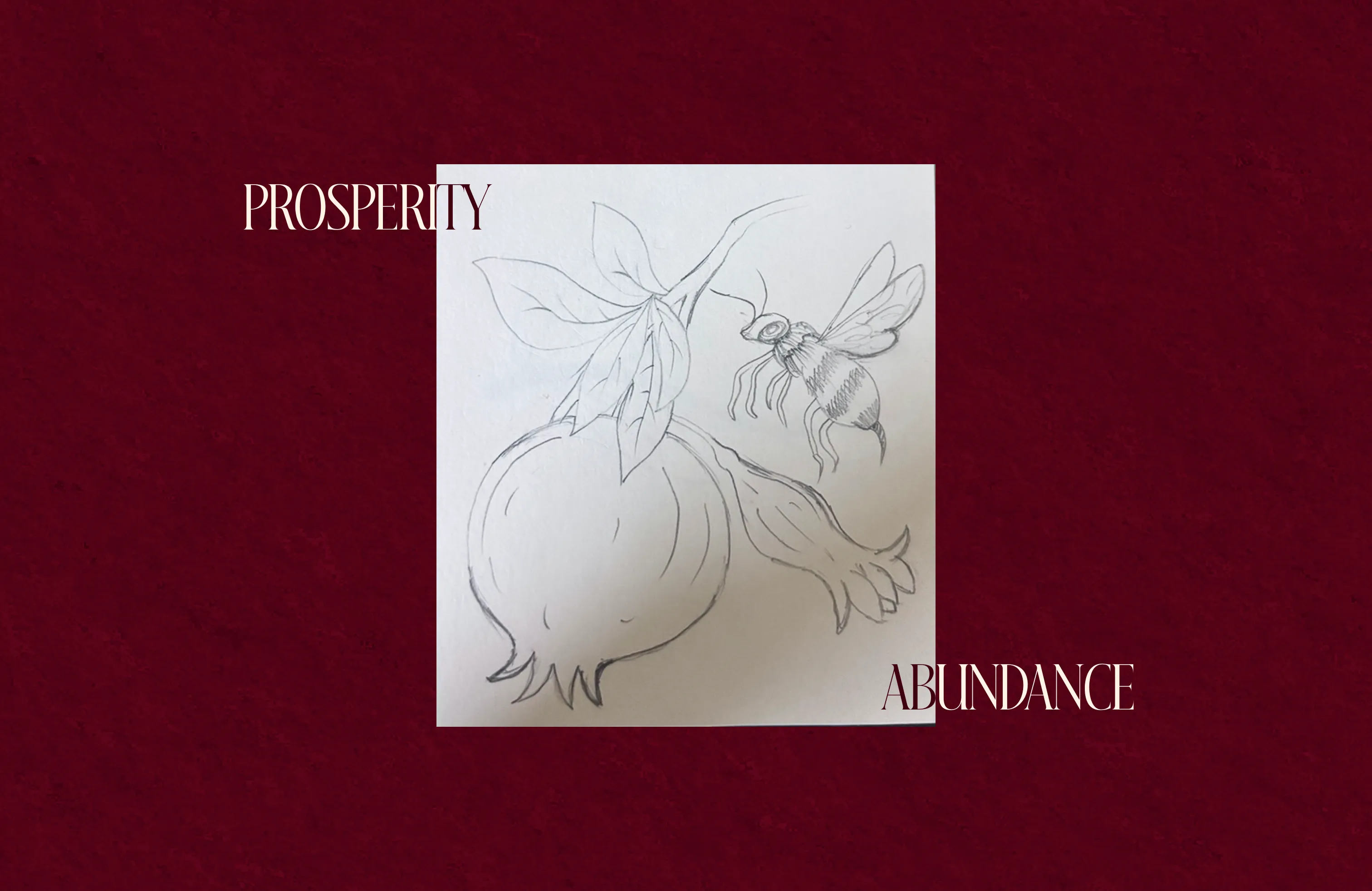
Since the brand was never intended to remain limited to textiles alone, the name needed to feel expansive enough to accommodate future categories while still remaining deeply rooted in Indian identity and craftsmanship.
The direction focused on:
Indian linguistic origins
Global ease of pronunciation
Phonetic softness
Memorability
Premium perception
Connection to nature, earth, and materiality
Multiple naming routes were explored through Sanskrit references, cultural research, literature, and historical associations tied to craft and natural elements.
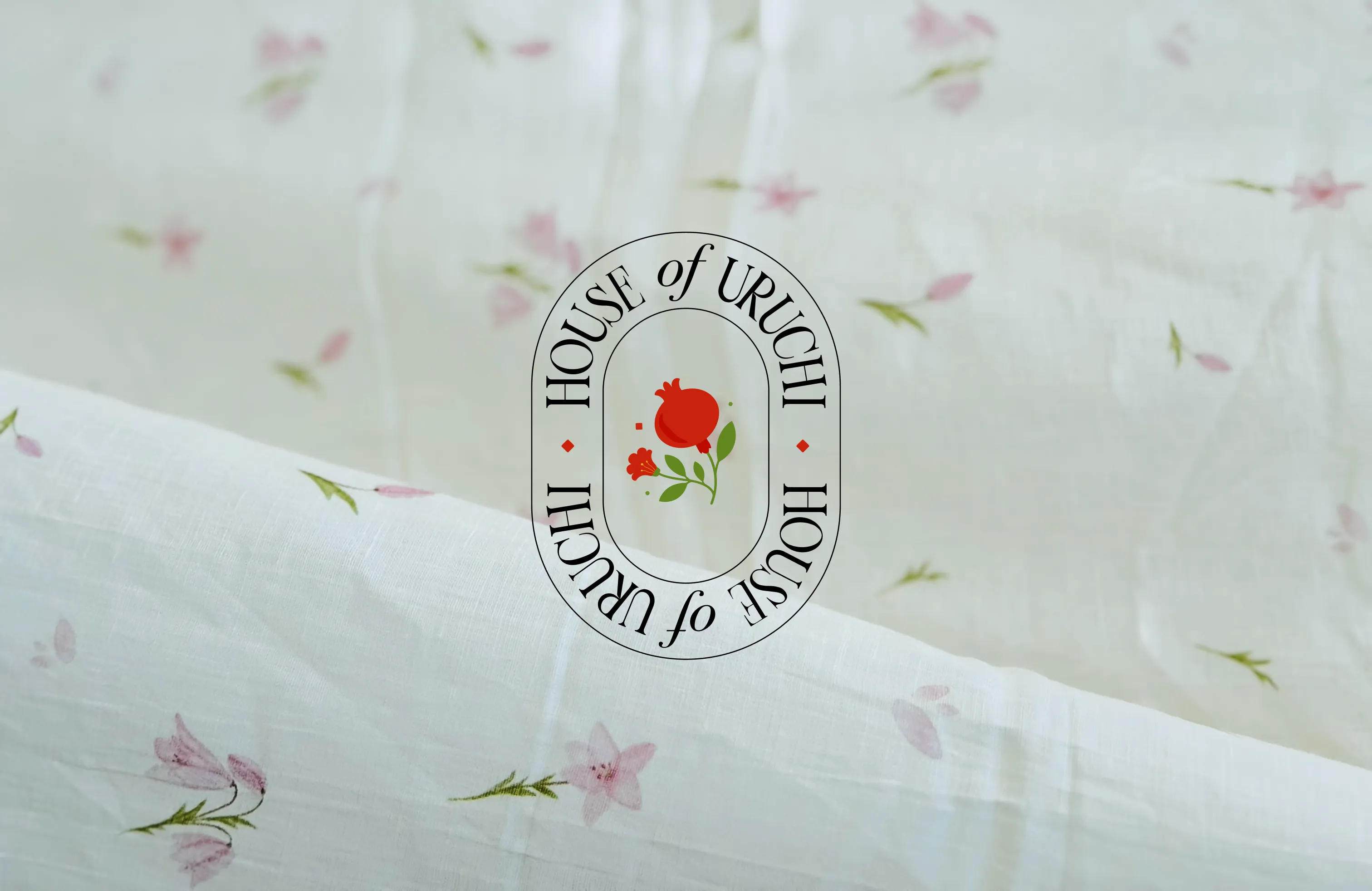
After multiple rounds of exploration and refinement, the final name, "House of Uruchi" was selected for its balance of Indian depth, modern elegance, and future scalability.
Go-To-Market Strategy
The first drop focused on fabrics; a category the founder knew deeply.
This allowed the brand to build trust through material quality first, establish credibility with a niche but informed audience, create lower-friction market entry, test demand before category expansion, and gradually warm audiences before moving into finished products.
The launch strategy centered around limited-run collections, intentional scarcity, and slower product cycles.
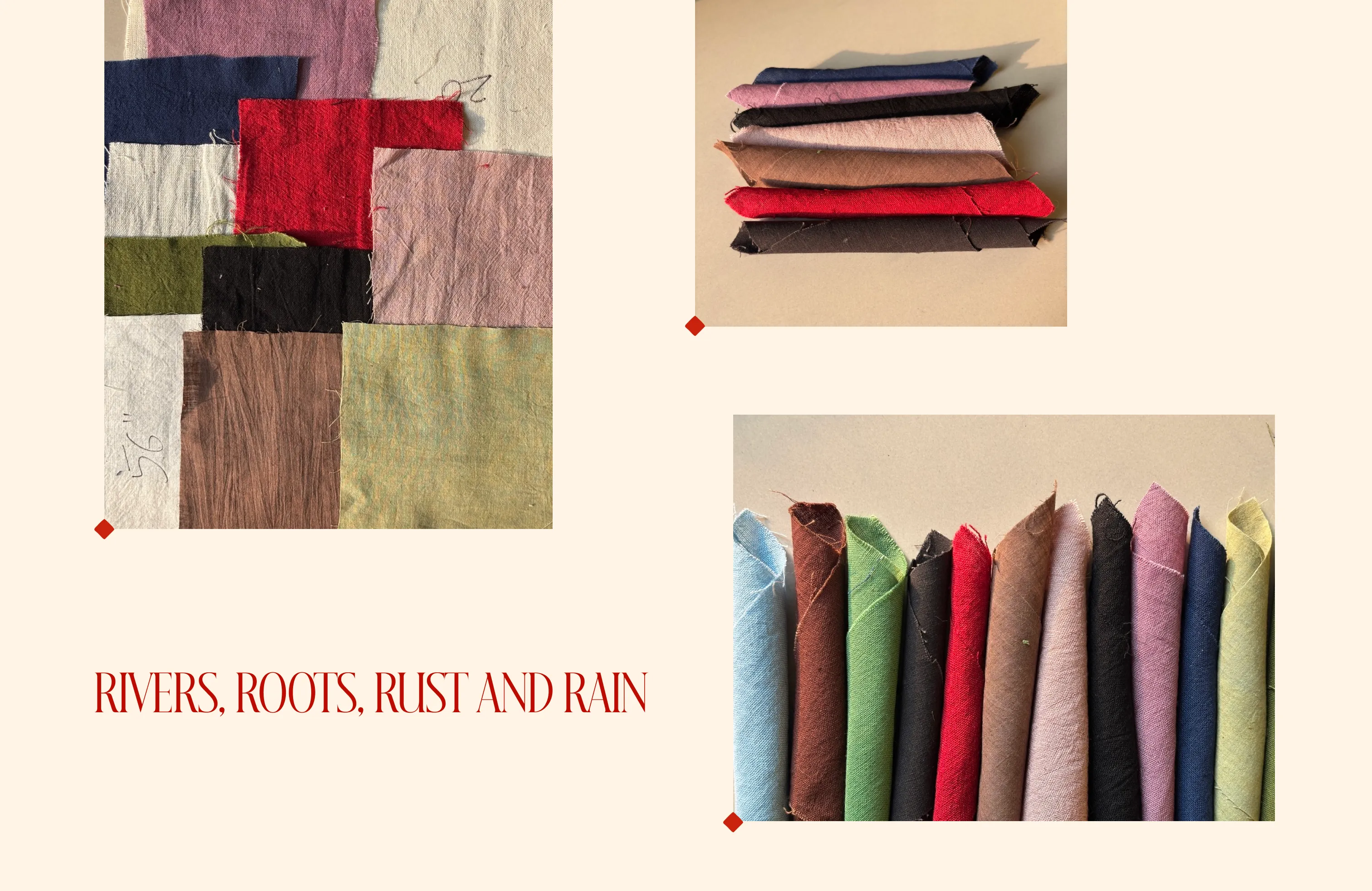
The scarcity model supported selective European flax linen sourcing, tighter quality control, stronger emotional attachment, unique artist-led drops, and a more intentional buying experience.
The communication system focused on sensory clarity rather than aggressive luxury signaling, emphasizing tactile storytelling, material education, emotional warmth, honest communication, modern Indian cultural depth, and texture-led visuals.
The long-term roadmap also established future expansion into sarees, bags, pottery, apparel, and artist collaborations.
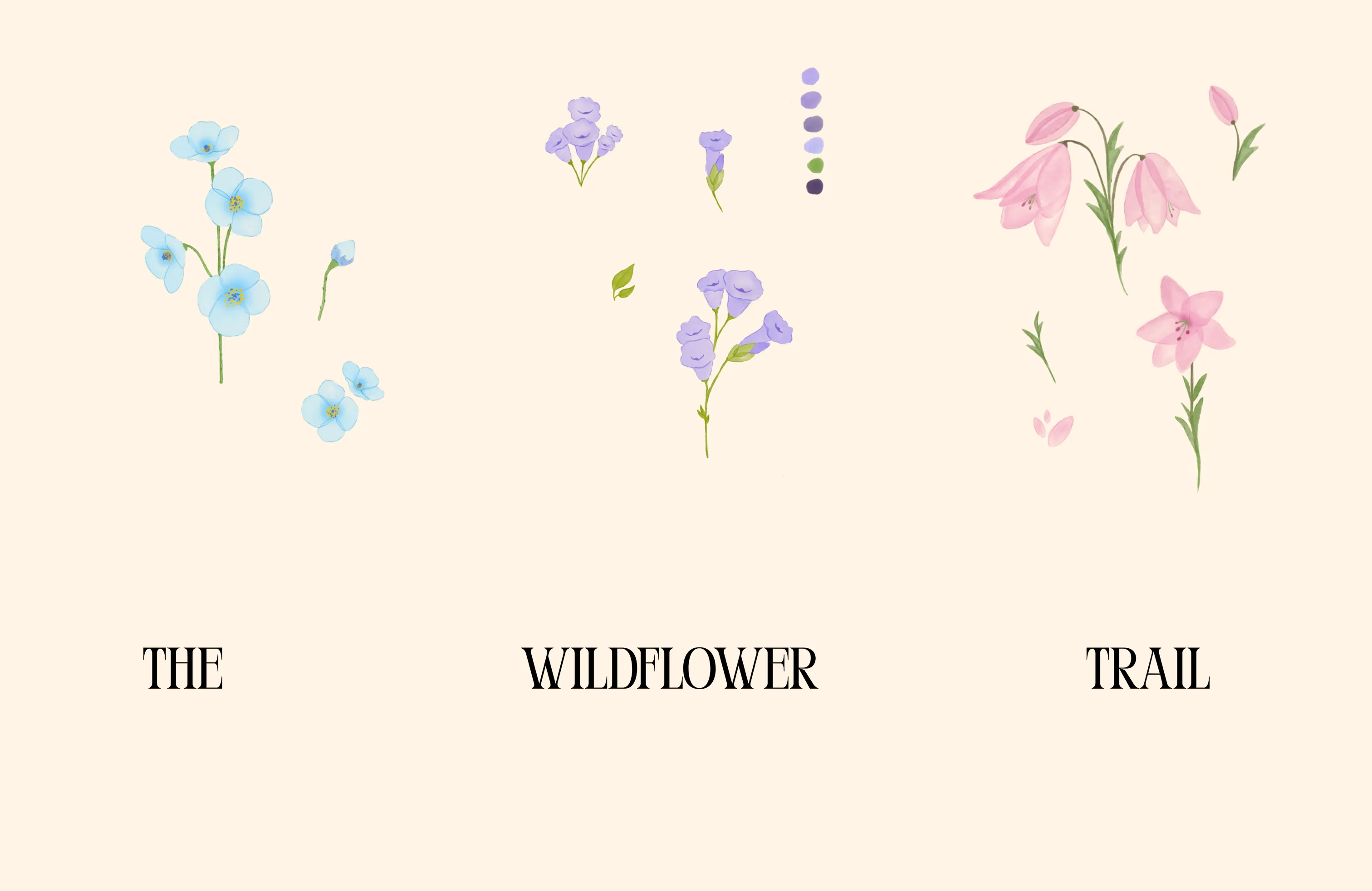
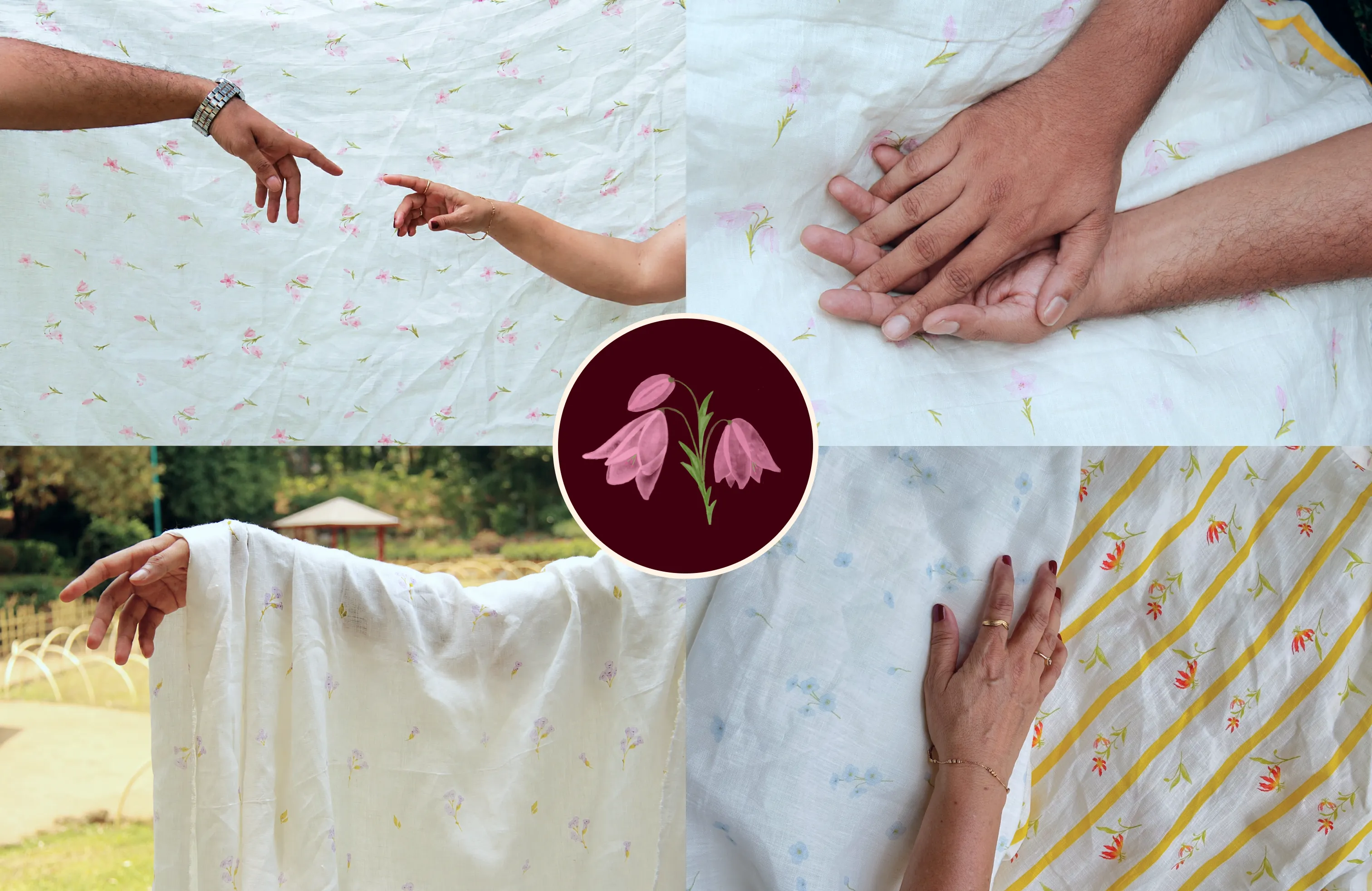
First Collection - The Wildflower Trail
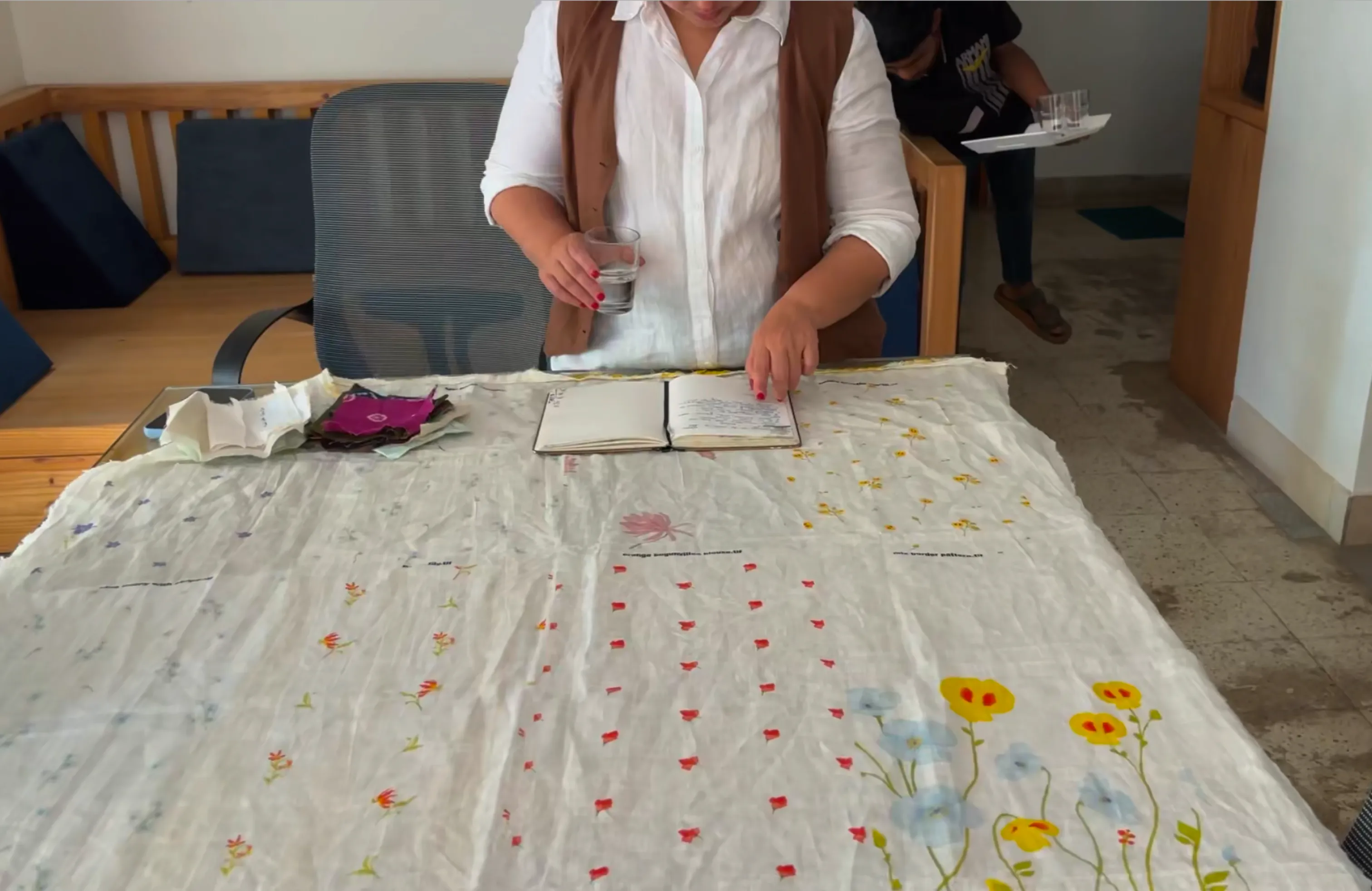
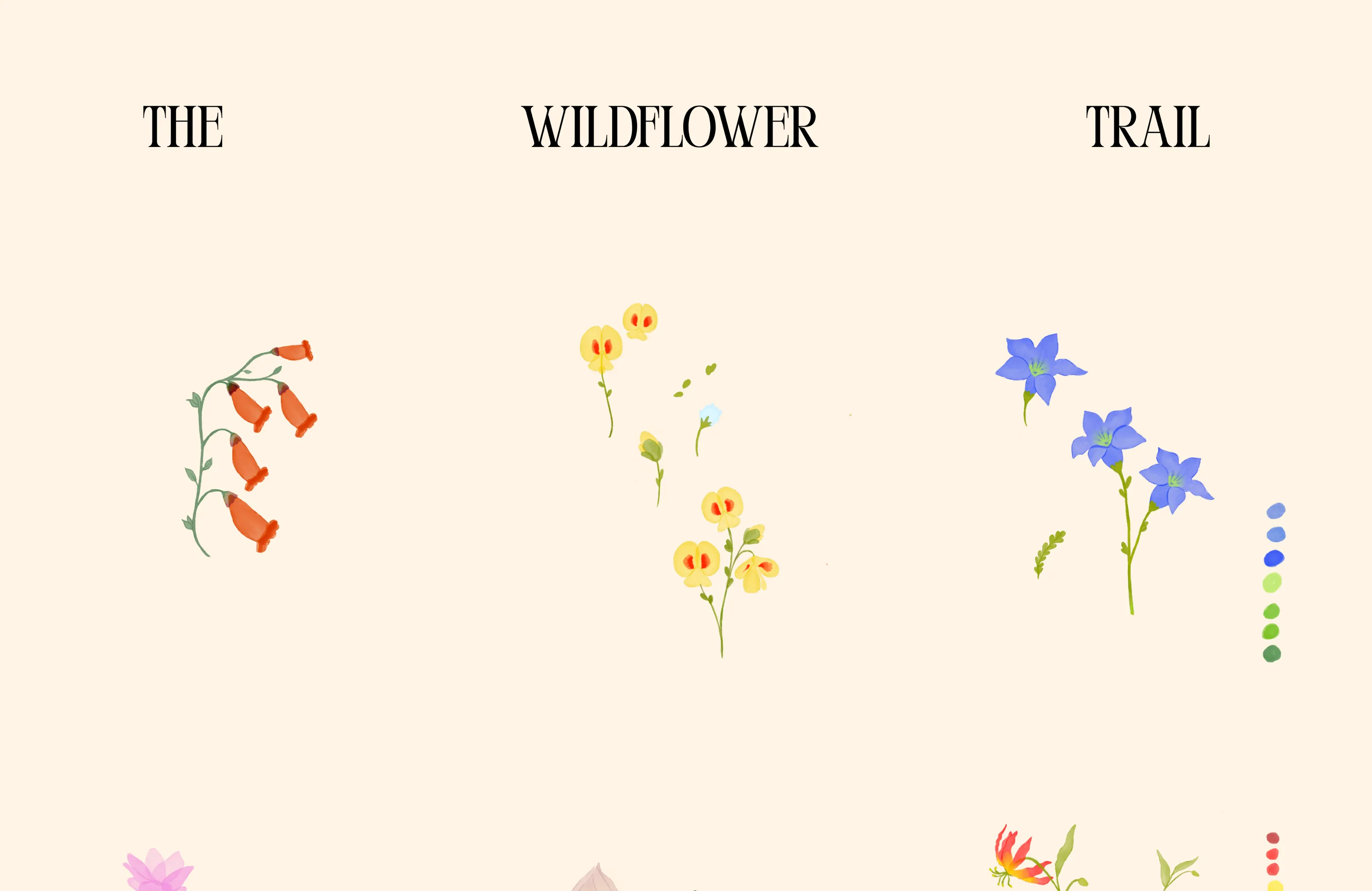
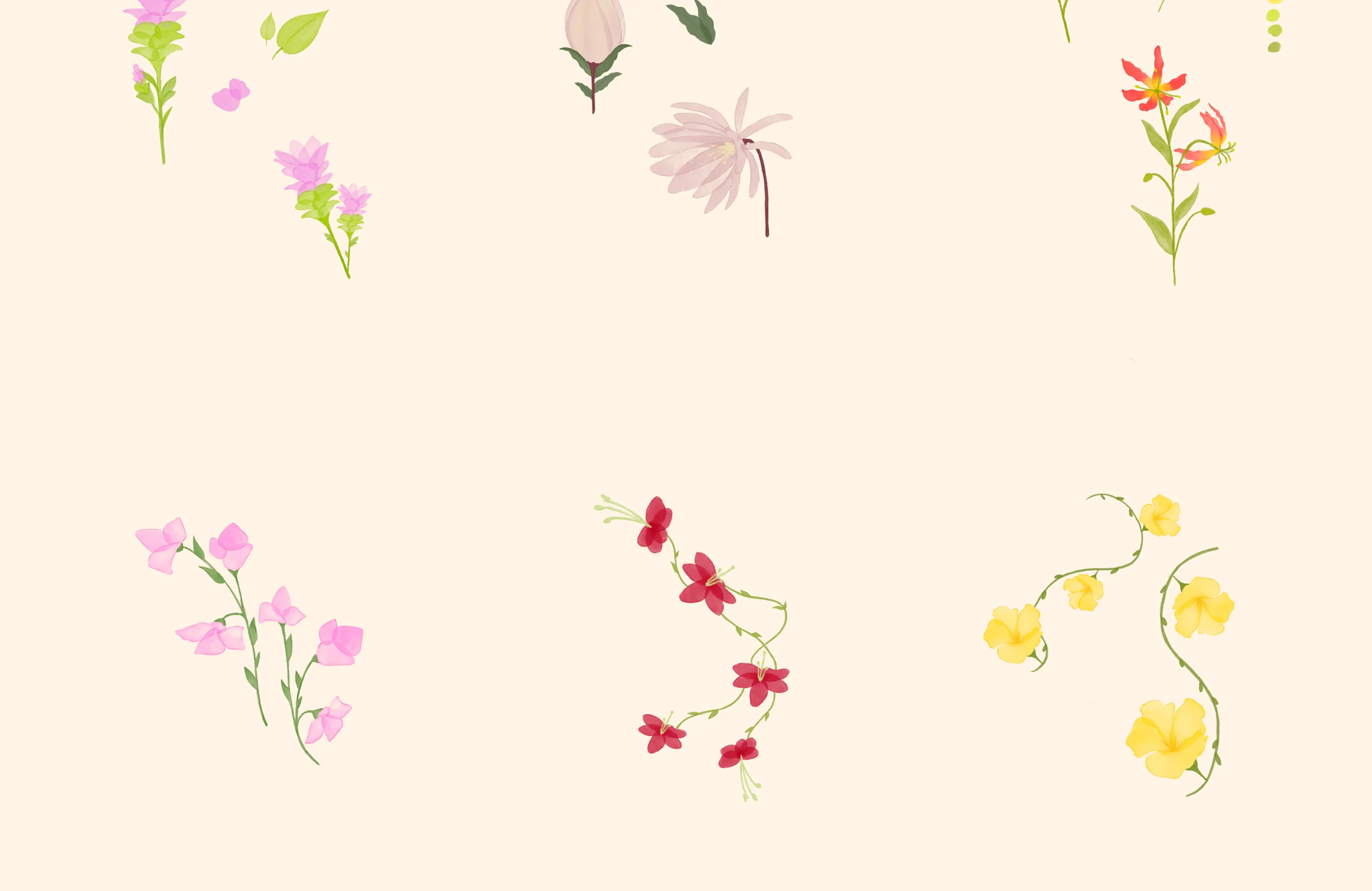
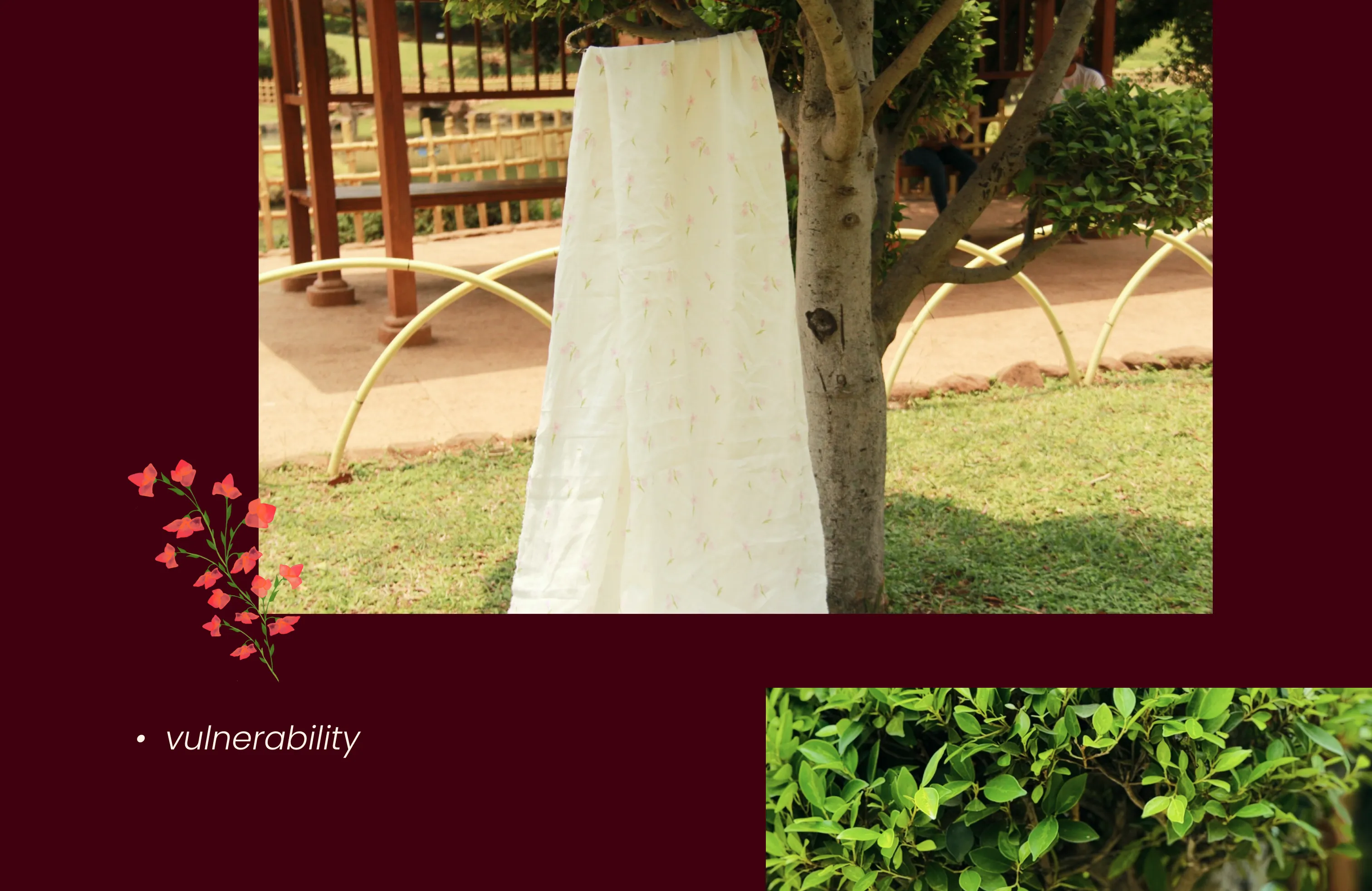
The research for the collection guided us toward wildflowers: specifically, flowers native to India that hadn't been commercialised into generic "floral print" territory.
The process included everything between botanical and cultural research, collection concept development, and production-ready print preparation
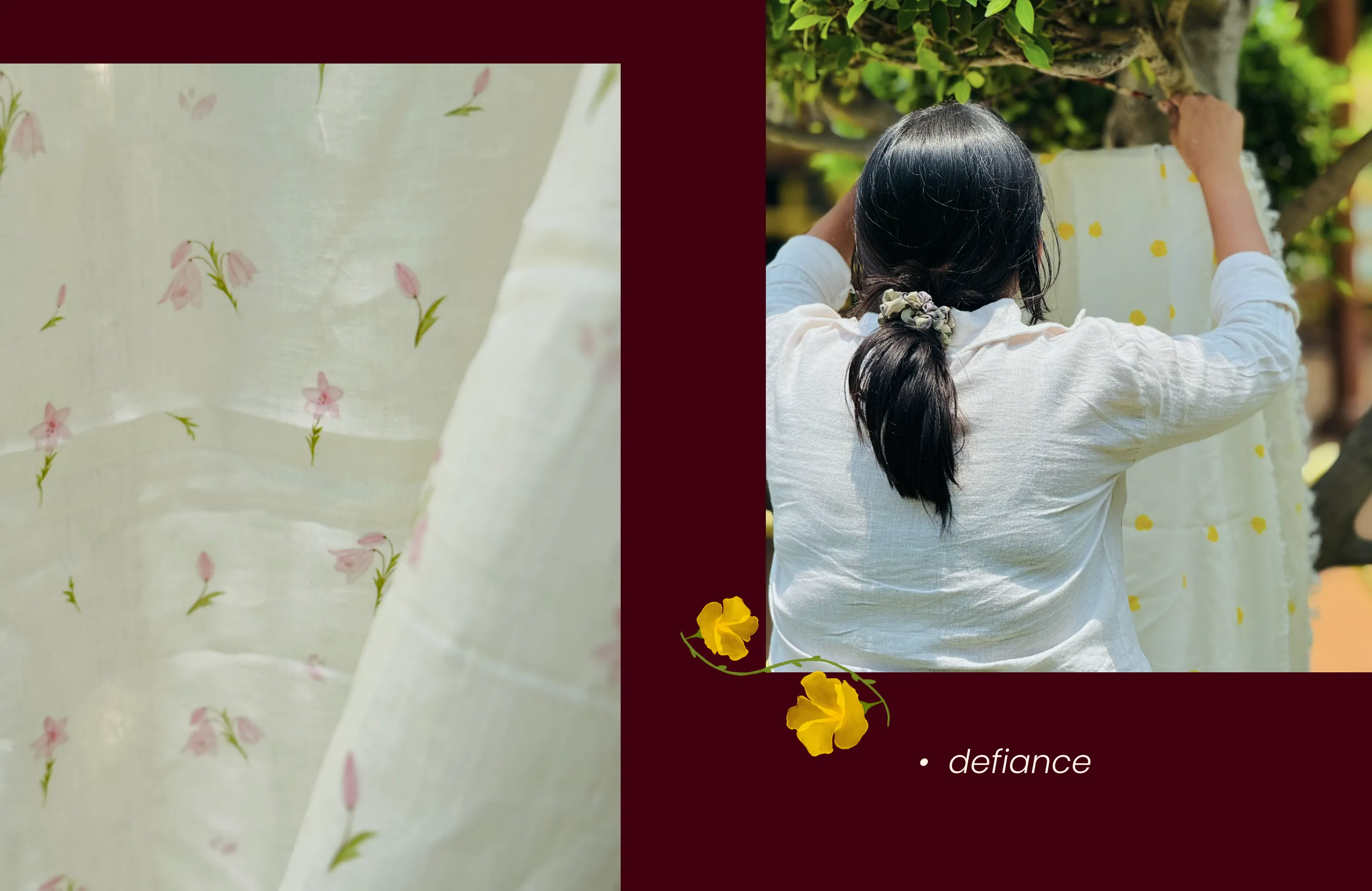
Every floral element was individually hand-drawn &illustrated, and refined before being translated into textile-ready motifs.
Multiple iterations were tested across print scales, spacing systems, color treatments, and fabric interactions to ensure the final designs retained softness and clarity once printed on linen.
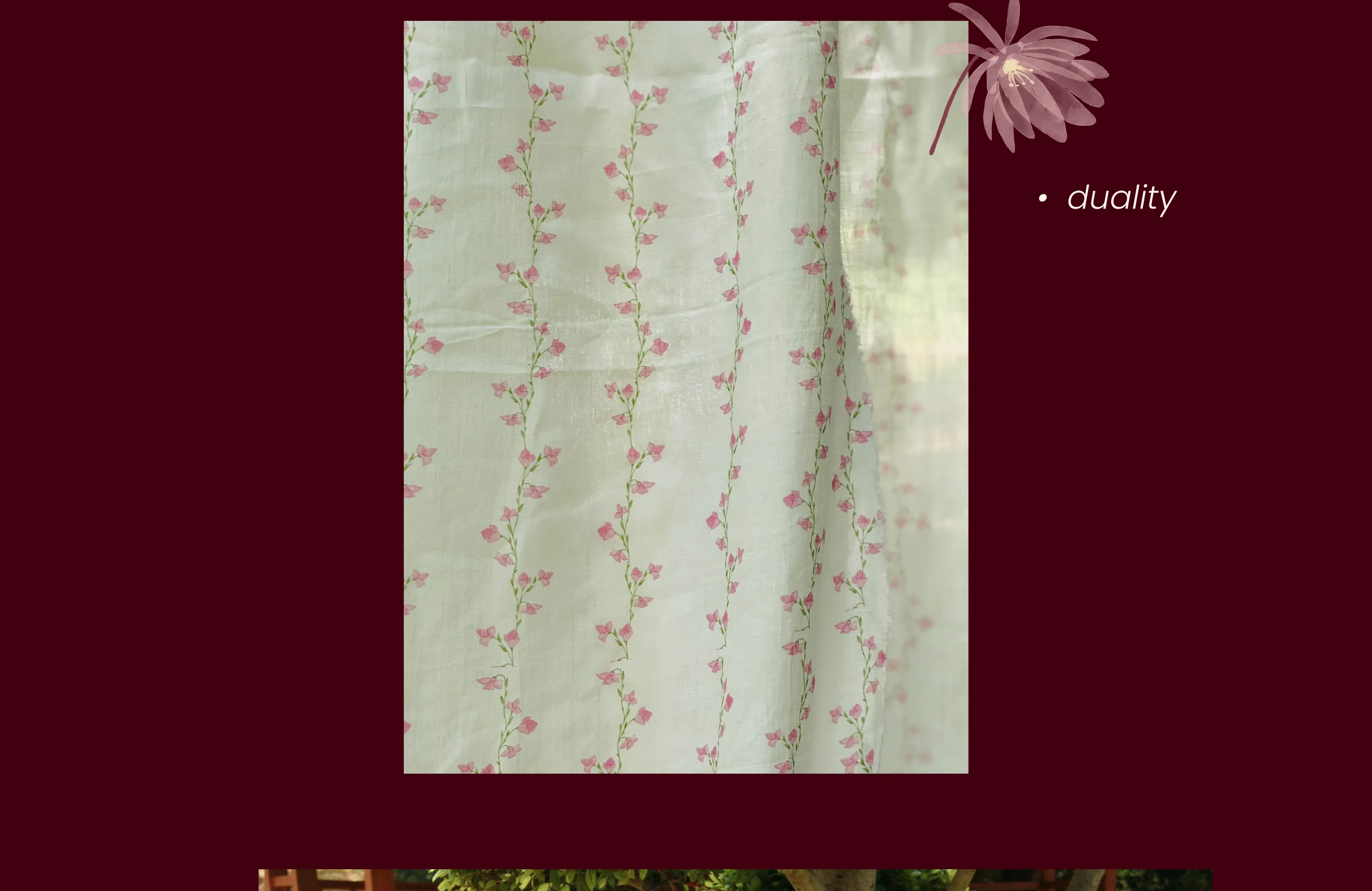
Physical samples were also produced and evaluated to refine color balance, print behavior, texture interaction, and overall visual restraint.
The final collection intentionally embraced minimalism and negative space rather than dense decorative compositions.
This helped position the collection away from trend-driven floral fashion and closer to a more elevated and contemporary interpretation of Indian summer wear.
The Impact
The brand is currently in its pre-launch phase, with packaging, collection production, website development, and launch event direction underway.
The first collection includes 10 original textile designs developed exclusively for the launch.
Even before launch, the brand has begun receiving bulk fabric orders exceeding 10 meters per design.
Uruchi now has:
A differentiated premium positioning
A scalable brand framework
A defined launch roadmap
A complete identity system
Original textile IP
A long-term foundation for category expansion
The project transformed an early-stage product vision into a strategically positioned luxury brand with a clear point of view, launch direction, and long-term growth potential.
The Takeaway
Uruchi was upheld as the creation of an entire brand ecosystem. One where strategy, storytelling, textile design, visual identity, and product thinking worked together to build a differentiated market presence from the ground up.
For dockyard, the project represented a core belief: Strong brands are not built through visuals alone. They are built through clarity, intention, systems, and a deep understanding of what people value emotionally and culturally.